
The Research Behind Teaching Early Childhood Music and Movement
The Research Behind Teaching Early Childhood Music and Movement
There are so many amazing contributors to the field of early childhood music and movement. Each one has a significant amount of experience and research behind it, and all are incredibly valuable. Interestingly, all of the top philosophies share the same foundation: a child-centered approach, developing an inner-ear and the ability to audiate (or hear music in your head without any auditory input), and fostering a love of music-making and the arts in general.
The Kids’ MusicRound and Classroom Jamboree curricula are created with these foundational beliefs in mind. We stand firmly behind the benefits of a research-based, child-centered approach that integrates the key benefits of all the major researchers and philosophers.
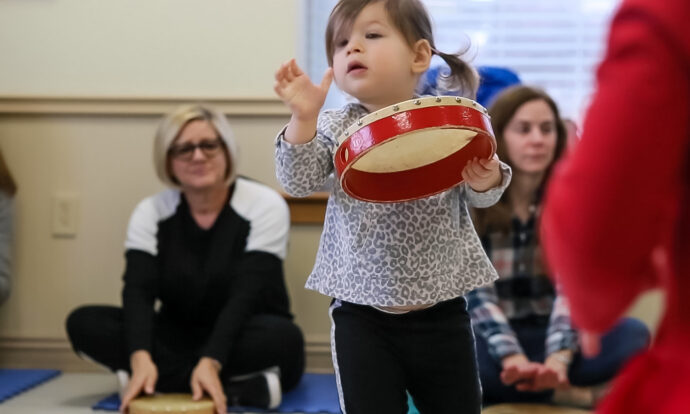
Orff-Schulwerk
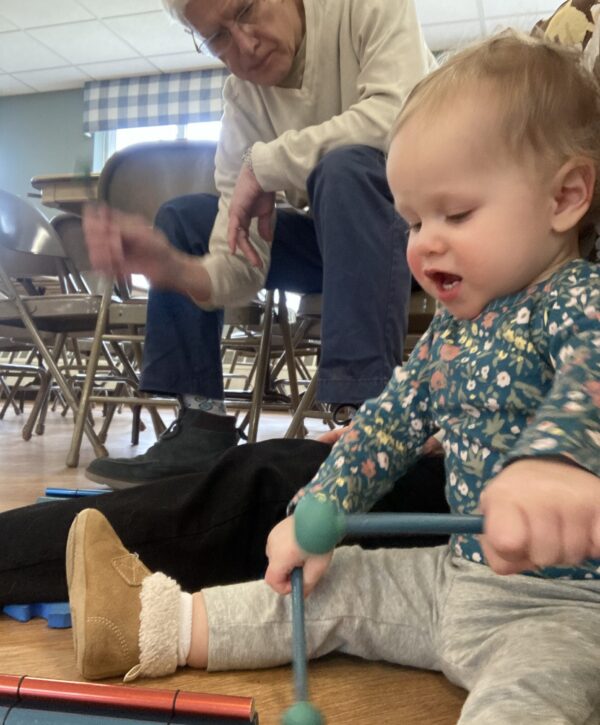
You may be familiar with Orff instruments, such as glockenspiels and xylophones, but there is so much more to this philosophy.
Carl Orff was a German composer and music educator, and the idea of an integrated approach to music education originated with him. Orff incorporates music, movement, drama, and speech into musical activities, allowing for easy cross-curricular integration.
Benefits:
- Easy for teachers to implement
- Fosters student independence
- Simple harmonies implemented through ostinato
- Encourages creativity from the teacher
Kodaly
Zoltan Kodaly believed that the voice is the essential first instrument, as almost everyone has one. His work uses folk music and singing as foundational, and he created the solfege system that many music educators use to teach the basics of sight singing. A key element of this philosophy is that the music we use in the classroom must be of absolute top quality.
Benefits:
- Strong use of the voice
- Introduces high-quality music to children at a young age
- Proven benefits on later literacy achievements when instruction was provided for 40 minutes daily
Dalcroze-Eurhythmics
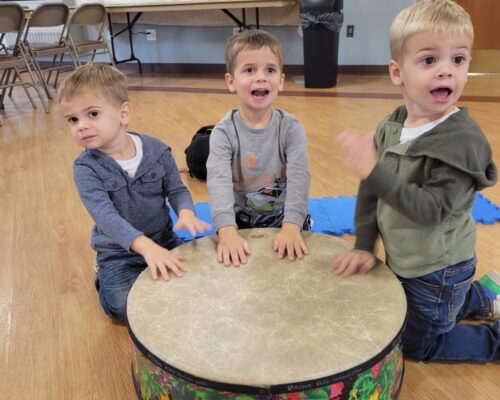
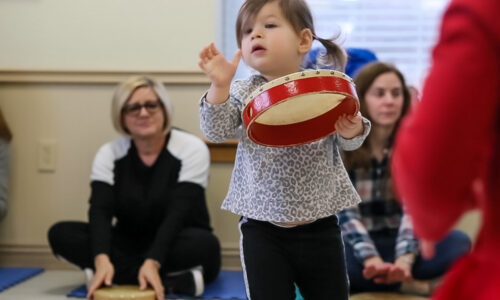
Movement is a key element of this method, which was created by Emile Jacques-Dalcroze. The two other components are solfege and improvisation. There are incredible differences between Dalcroze classes and the method is used widely across various groups, from young children to seniors.
Benefits:
- Strong foundational experiences for improvisation and movement
- Improves harmony and rhythmic development
- Build listening skills and musical intuition
Music Learning Theory
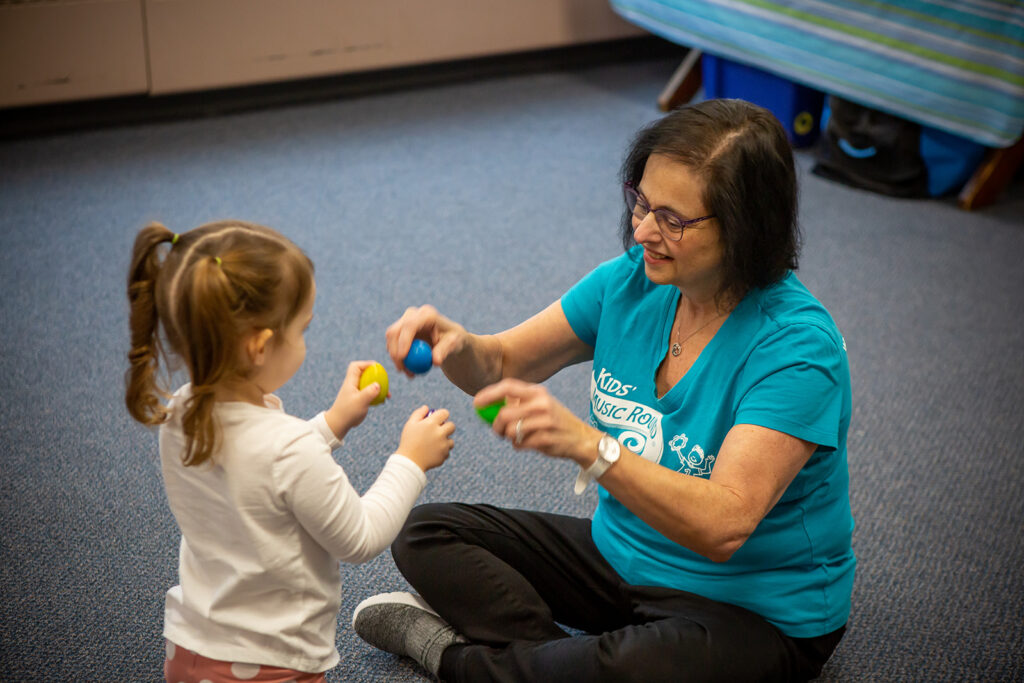
Dr. Edwin Gordon is the music educator behind this philosophy, and it includes a focus on audiation. Can you sing Twinkle, Twinkle in your head? You are audiating. Dr. Gordon incorporates rhythm and tonal patterns as the words of music.
Benefits:
- Audiation
- Rhythm patterns
- Tonal patterns
- Sequential music development
- Whole/Part/Whole
Conclusion
Across the field of education, we use research-based techniques to support student learning. Music is exactly the same. Children deserve the best we can offer them, which is why Kids’ MusicRound is based on the research of those who have proven their methods are successful. Each pedagogical approach has benefits, and our curriculum development team is careful to incorporate the best of each.
Sources:
Azevedo, Kailen. (2020). “Implementing the Orff Pedagogy for Teaching Music at the Elementary School Level.” Capstone Projects and Master’s Theses. 842. https://digitalcommons.csumb.edu/caps_thes_all/842
Yue, Yuanyang. (2018). “The Effect of an Orff-Based Curriculum on Social Emotional Compentence of Migrant Children in a Suburban Kindergarten in Shanghi.” University of the Pacific, Dissertation. https://scholarlycommons.pacific.edu/uop_etds/3531
Johnston, Maggie. (2022). “The Kodaly Method: Valid or MIssing the Mark for Developing a Musiking Musician?” University of Denver. https://digitalcommons.du.edu/cgi/viewcontent.cgi?article=1133&context=musicology_student
Hughes, Meegan. (2024). “Kodaly, Orff, and Dalcroze: A Who’s Who and What’s What.” NAfME. https://nafme.org/blog/kodaly-orff-and-dalcroze-a-whos-who-and-whats-what/
Ryman, Jeffrey Alan. (2019). “Learning new tricks: Teacher self-improvement in Kodaly Solfege study and its relation to student growth.” James Madison University. Masters Theses. https://commons.lib.jmu.edu/cgi/viewcontent.cgi?article=1617&context=master201019
Goopy, Jason. (2013). “Extra-musical effects and benefits of programs founded on the Kodaly philosophy.” Brisbane Boys’ College and University of Queensland. https://files.eric.ed.gov/fulltext/EJ1061821.pdf
Dalcroze Society of America. (2026). https://dalcrozeusa.org/about-dalcroze/what-is-dalcroze/
Juntunen, Marja-Leena and Sutela, Katja. (2023). “The effectiveness of music-movement integration for vulnerable groups: a systematic literature review.” https://pmc.ncbi.nlm.nih.gov/articles/PMC10513045/
The Gordon Institute for Music Learning. (2026). https://giml.org/mlt/about/
Valerio, Wendy. The alliance for active music making. https://www.allianceamm.org/resources/gordon/
Written by:

Explore Kids' MusicRound
Copyright © 2026. Kids’ MusicRound, LLC.
www.KidsMusicRound.com
609-333-0100